

Polish Cardiologists and Radiologists Debate Responsibility for Cardiac CT and MRI Reporting
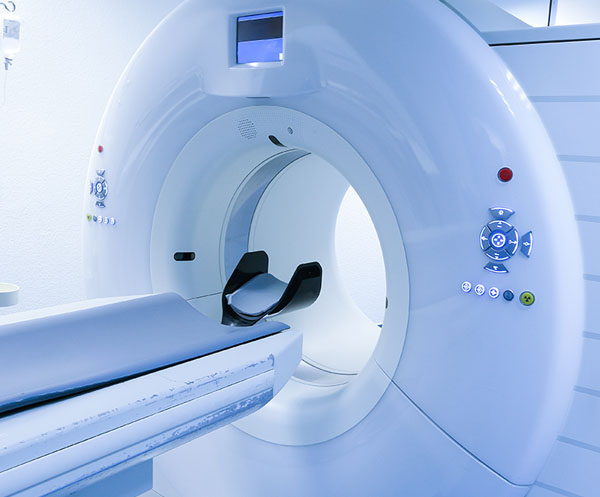
Polish cardiologists and radiologists clash over who should read cardiac CT/MRI – raising questions about access, quality and the future role of AI.
WROCłAW, POLAND, February 6, 2026 /EINPresswire.com/ -- Poland’s cardiology community is engaged in an intense debate with radiologists over who should interpret advanced cardiac imaging studies – a discussion that many experts say could have important consequences for patients and the healthcare system.
In recent weeks, leading Polish media and professional outlets have reported growing tensions around the right of cardiologists to report coronary CT angiography (CCTA) and cardiac MRI, examinations that increasingly influence whether a patient is referred for invasive procedures or managed conservatively. The Polish Cardiac Society (PTK) argues that the main bottleneck in care is no longer access to scanners, but delays in reporting and descriptions that cardiologists often perceive as insufficiently aligned with the clinical context – particularly when reports are produced remotely, with limited insight into the patient’s history, symptoms and treatment. According to PTK, this situation may contribute to ambiguous findings, repeat testing and a higher number of patients being referred for invasive angiography after CCTA without ultimately undergoing revascularization, which can increase both risk and costs. Radiology representatives counter that reporting quality depends on standardized protocols and access to complete clinical data, regardless of specialty.
PTK is therefore calling for a competency‑based certification system that would allow appropriately trained cardiologists to perform, supervise and report cardiac CT and MRI, echoing models used in countries such as Germany, France, the Netherlands, Scandinavia, the USA and Japan. Radiology leaders, however, strongly contest this approach and have raised formal objections through professional channels after a well‑known cardiologist publicly criticized the current reporting model and expressed concerns about the timeliness and clinical usefulness of some reports. Radiology societies emphasize that any systemic debate must not undermine patient trust in imaging specialists and point out that radiologists undergo dedicated training and bear responsibility for comprehensive interpretation of all findings, not only cardiac ones.
Behind this professional disagreement lies a broader international question: who should lead cardiac imaging in an era when detailed CCTA and cardiac MRI directly inform therapeutic decisions, and how can health systems ensure fast, consistent, and clinically meaningful reporting that combines imaging expertise with deep clinical insight? As this debate continues in Poland, new technologies are also entering the arena – including AI‑based tools for automated analysis of coronary CT angiography, such as a solution developed by Hemolens Diagnostics®, which is currently undergoing certification and could help simplify CCTA workflows and reporting, while leaving all final clinical decisions firmly in the hands of radiologists and cardiologists.
For readers interested in broader European imaging workflows, additional educational resources are available in this ebook.
Aleksandra Podkówka-Poźniak
Hemolens Diagnostics Sp. z o.o.
+48 505 162 174
email us here
Visit us on social media:
LinkedIn
YouTube
Legal Disclaimer:
EIN Presswire provides this news content "as is" without warranty of any kind. We do not accept any responsibility or liability for the accuracy, content, images, videos, licenses, completeness, legality, or reliability of the information contained in this article. If you have any complaints or copyright issues related to this article, kindly contact the author above.
